Last updated: 26 July 2026 — this is a living guide. Google is rolling these features out in stages, and we update this page as availability expands (especially for India).
Something big is quietly happening to Google Search. For twenty years, the deal was simple: you optimised pages, Google sent you clicks. Then AI Overviews started answering questions directly on the results page, and industry studies began reporting organic click-through drops of as much as 61% on affected queries. Google’s response — and your opportunity — is a new family of claimable profiles inside Search itself: Brand Profiles for e-commerce businesses, and the brand-new Search Profiles for publishers and creators.
Most Indian businesses have never heard of either. That is exactly why this guide exists. Below is everything we know from Google’s official documentation and credible industry reporting — what these profiles are, where their information comes from, how to claim and optimise them, and what to do today even if the invite has not reached your account yet.
In this guide
9 sections · 12 min read · updated July 2026
- The three Google profiles — and which one applies to you
- Google Brand Profiles: your storefront inside Search
- Where brand profile information comes from
- How to claim a Brand Profile
- Search Profiles: the June 2026 launch
- The AI connection: AI Performance Insights
- Availability in India
- The action checklist: what to do this month
- FAQ
The three Google profiles — and which one applies to you
Google now runs three distinct profile systems, and confusing them is the most common mistake we see. Here is the map:
| Google Business Profile | Brand Profile | Search Profile | |
|---|---|---|---|
| Built for | Local businesses (shops, clinics, restaurants) | E-commerce brands & online retailers | Publishers & content creators |
| Appears in | Google Maps & local search | Google Search, worldwide | Google Search & Discover |
| Managed via | Business Profile Manager | Google Merchant Center | profile.google.com |
| Status (July 2026) | Mature, available everywhere | Early access, invite-only, expanding | Live in the US since 4 June 2026 |
| Signature content | Hours, reviews, photos, posts | Products, deals, videos, shipping & returns, loyalty | Articles, videos, social feed + a Follow button |
Google itself draws the line clearly: Business Profiles help local businesses reach customers in their area, while Brand Profiles let a business “communicate their brand to users all over the world.” Both Brand Profiles and Search Profiles are, in practice, claimable, editable knowledge panels — the panels that used to be read-only are becoming marketing surfaces you manage.
Google Brand Profiles: your storefront inside Search
When someone searches your brand name, a Brand Profile turns the results page into a mini storefront. According to Google’s Merchant Center documentation, an eligible brand’s profile can display:
- Brand imagery and videos
- Your latest products, pulled from your Merchant Center feed
- Live promotions and discount codes
- Loyalty program benefits
- Shipping and return policies
- Customer ratings and third-party trust signals
- Links to your official social channels
- Trending products (limited countries for now)
Why does this matter? Because the brand-name search is the highest-intent moment in your funnel — someone typed your name into Google. The Brand Profile determines whether that moment looks like a polished storefront with offers and trust signals, or a bare list of blue links where a competitor’s ad sits on top. For D2C brands running performance marketing, this is also the surface every retargeted customer sees before they convert.
Where brand profile information comes from — and how to control each source
This is the part most guides skip, and it is the part you can act on immediately. Per Google’s official documentation, a Brand Profile is assembled from five sources — and you have real influence over every one of them:
| Data source | What Google takes from it | How you control it |
|---|---|---|
| 1. Your Merchant Center account | Products, promotions, shipping & return policies, loyalty details | Directly. Keep feeds complete and current — this is the control panel. |
| 2. Your website | Business information read via schema.org structured data | Directly. Implement Organization markup (details below). |
| 3. Public sources | Facts from your site, Wikipedia and other public references | Indirectly. Keep public information consistent everywhere. |
| 4. Licensed third-party data | Ratings, review scores, trust signals | Indirectly. Maintain genuine review volume on major platforms. |
| 5. AI-generated summaries | Google’s AI writes a summary of your brand | Indirectly — the AI summarises sources 1–4. Clean inputs produce a clean summary. |
Users can also submit corrections through the profile’s feedback option, and businesses can flag inaccurate information the same way. If something wrong appears on your profile, report it there first — and fix the upstream source, because Google re-crawls and updates profiles continuously.
The schema markup Google actually reads
Google’s Organization structured data documentation explicitly lists brand profiles among the features that consume this markup. Place it on your homepage or about page. The properties that matter most:
- name, legalName, description, url — your core identity, consistent with your site name
- logo — minimum 112×112px, crawlable and indexable
- sameAs — URLs of your official social profiles (this is how Google connects your brand entity across the web)
- address, telephone, email, contactPoint — trust and contact signals
- hasMerchantReturnPolicy, hasShippingService, hasMemberProgram — the merchant-specific properties that feed shipping, returns and loyalty modules
- foundingDate, numberOfEmployees, vatID — optional, but Google lists them as trust signals
Use the most specific type available — OnlineStore for an e-commerce business rather than plain Organization — and validate with Google’s Rich Results Test before shipping. If your website cannot express this markup cleanly, that is a technical SEO gap worth fixing this quarter; it now feeds two surfaces (classic search results and your future Brand Profile). Our SEO team implements this as standard on every client site.
How to claim a Brand Profile
Per Google’s claim documentation, the process is short — but gated:
- Search your exact business name on Google.
- If your brand’s profile is eligible, a “Manage this brand profile” button appears on it.
- Click it while signed in with a Google account that is a super admin on your verified Merchant Center account.
- Select “Manage now” (or choose the correct account if you run several), and the Brand section appears inside Merchant Center.
Three constraints to know: a brand can be claimed only once; only select e-commerce retailers are currently invited (Google notifies accounts as eligibility expands); and everything depends on having a verified Merchant Center account in good standing. That last point is the practical takeaway — verification is the queue ticket, and you can get in the queue today even before the invite arrives.
Search Profiles: the June 2026 launch for creators and publishers
On 4 June 2026, Google announced Search Profiles — a dedicated, claimable page for publishers and creators inside Search and Discover. Where Brand Profiles are about products, Search Profiles are about content and audience:
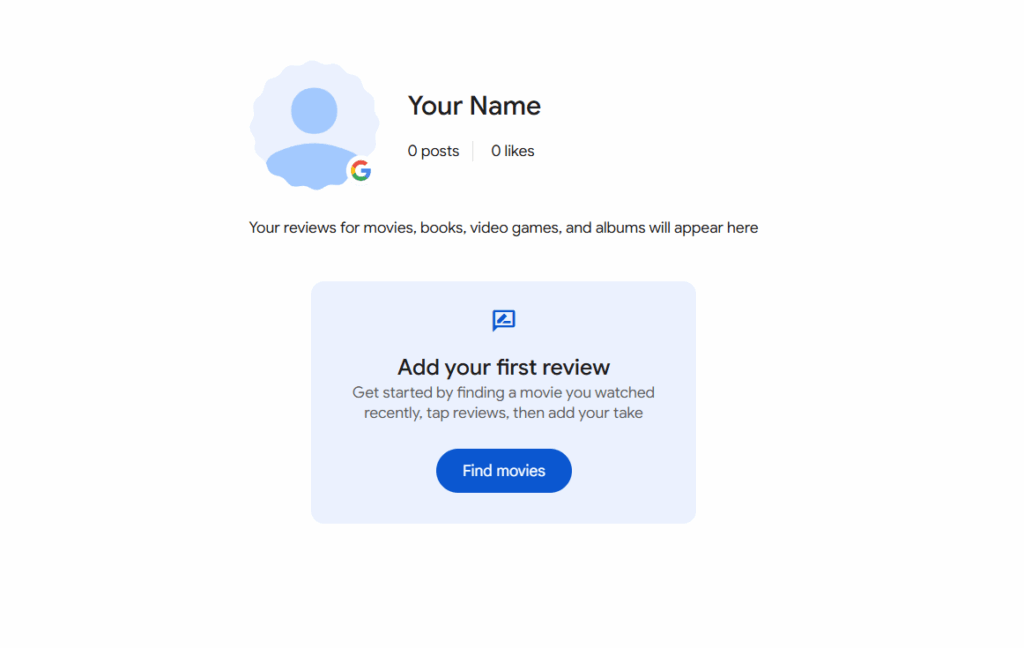
- A public profile page with avatar, cover image, bio, up to 8 web links, and connected platforms (YouTube, Instagram, X, TikTok, your blog)
- An auto-syncing feed of your latest articles, videos and social posts (content syncs within 24–48 hours; you can pin up to 8 featured posts)
- A Follow button — the headline feature. When users follow you, your content is prioritised in their Google Discover feed
- Insights — clicks, impressions and audience geography for your profile content
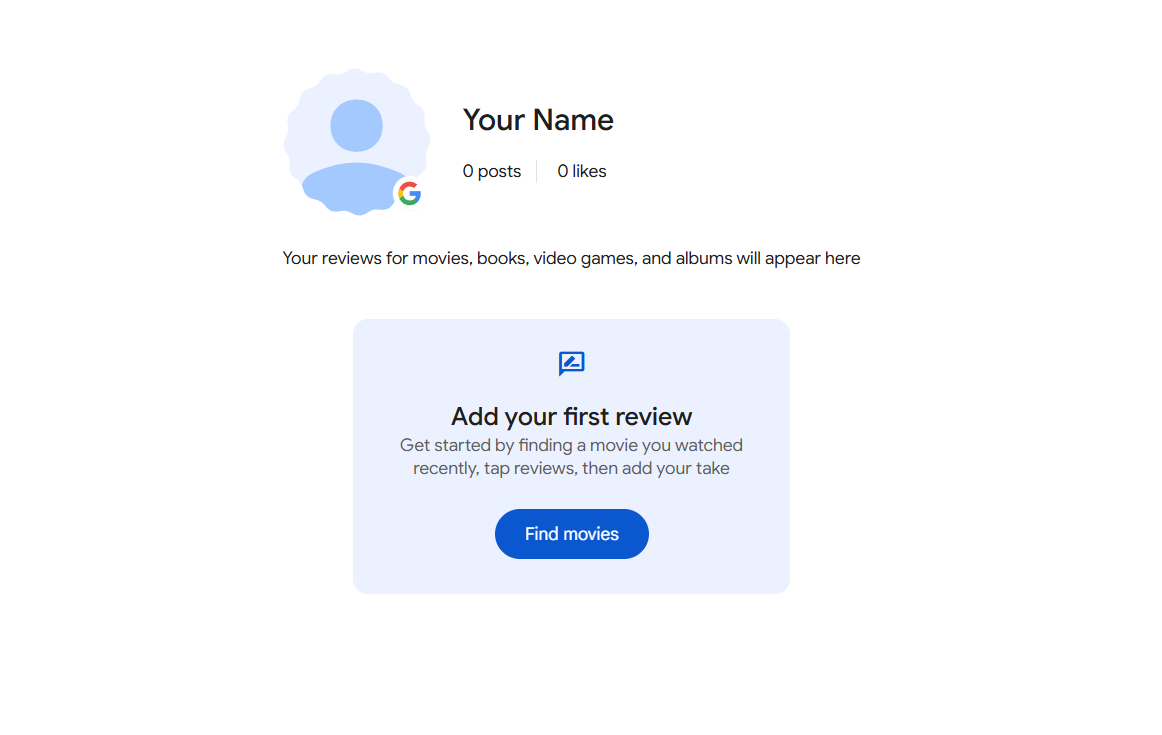
Anyone with a Google account can set up a basic profile at profile.google.com. The full creator treatment — analytics and prominent placement — requires what Google calls “a sizable following on at least one major platform.” Google has not published exact numbers; industry reporting puts the bar at roughly 100,000 followers on YouTube, Instagram or X, or 300,000 on TikTok. Treat those figures as reported, not official.
In the future, we’ll look to expand Search profiles to more publishers and creators around the world, and add more capabilities to make profiles even more useful.
Google, Search Profiles announcement, June 2026
The strategic read: with AI answers reducing clicks to publisher sites, Google is building a follow graph inside Search — a way for audiences to subscribe to sources they trust. For Indian creators and content-led brands, the moment this launches here, the early claimers inherit the Discover distribution. If your brand runs on content and social media, growing platform followings now is also, quietly, Search preparation.
The AI connection: your brand inside AI Mode
Profiles are one half of Google’s answer to AI-era search. The other half arrived on 27 May 2026: AI Performance Insights, a new Merchant Center report that shows how your products perform inside AI Mode, AI Overviews and Gemini shopping journeys. It tracks four things:
- Share of voice — your brand’s visibility in AI shopping surfaces, benchmarked against competitors
- Funnel performance — where you appear across discovery, evaluation and purchase queries
- Product term insights — the conversational phrases people actually use with AI, and your share of them
- Attribute completeness — a score showing which missing feed data (colour, material, style) is costing you AI visibility
Here is the sentence that should reframe your 2026 strategy:
The AI does not browse your website the way humans do — it reads your structured data.
Product feeds, schema markup, consistent public facts. The brands that feed Google clean structured data are the brands AI recommends. Everything in this guide — profiles, markup, feeds — is one discipline now, and it is the same discipline behind ranking in AI answers generally (what the industry calls GEO, generative engine optimisation).
Availability in India: what is live, what is coming
| Feature | India status (July 2026) |
|---|---|
| Google Business Profile | Fully available |
| Merchant Center + free listings | Fully available |
| Merchant Center loyalty features | Available — India is in the 14-country expansion |
| AI Performance Insights | India is in the first wave of 5 markets (US, Canada, Australia, India, New Zealand), rolling out |
| Brand Profiles | Invite-only early access globally; no country list published. India’s inclusion in adjacent first waves suggests early access is likely |
| Search Profiles | US-only at launch; Google has committed to global expansion without a timeline |
The pattern is clear: India sits in Google’s first wave for commerce features. When Brand Profiles and Search Profiles open here, the brands whose Merchant Center, markup and review ecosystems are already clean will claim and populate their profiles in days — everyone else will start from zero.
The action checklist: what to do this month
If you sell online (D2C / e-commerce)
- Verify your Merchant Center account — it is the eligibility ticket for Brand Profiles and the data source for AI shopping surfaces.
- Complete your product feed attributes — colour, size, material, GTIN. The AI attribute-completeness score will grade exactly this.
- Implement Organization/OnlineStore schema with logo, sameAs, return policy, shipping and loyalty properties.
- Load your promotions and loyalty program into Merchant Center — they become profile content the day you are eligible.
- Watch for the invite: search your brand name monthly and check Merchant Center notifications for the “Manage this brand profile” option.
- Grow genuine reviews on major platforms — third-party ratings feed the profile and the AI summary.
If you are a local business
Your Google Business Profile remains the main stage — keep it active. But if you also sell online (most do now), the e-commerce checklist above applies to you too, and the two profiles will reinforce each other.
If you are a creator or publisher
- Set up your basic profile at profile.google.com now — name and bio changes go through Google review, so start early.
- Consolidate audience growth on one or two platforms — the eligibility bar rewards depth over spread.
- Keep publishing consistently — the profile is an auto-syncing feed; dormant sources have nothing to show.
- When India access opens, claim immediately — early followers compound in Discover.
Frequently asked questions
What is a Google Brand Profile?
A Brand Profile is an enhanced, claimable panel that appears when people search an e-commerce brand’s name on Google. It displays products, promotions, videos, shipping and return policies, loyalty benefits and trust signals, and is managed through Google Merchant Center.
Is a Brand Profile the same as a Google Business Profile?
No. A Google Business Profile serves local businesses on Maps and local search. A Brand Profile serves online brands globally in Google Search and is managed from Merchant Center, not Business Profile Manager. A business can have both.
Are Brand Profiles available in India?
Google has not published a country list; the feature is invite-only early access worldwide. India is in the first wave for adjacent Merchant Center features (loyalty, AI Performance Insights), so early availability is likely. Prepare your Merchant Center and schema now so you can claim the day it opens.
How do I claim my brand profile on Google?
Search your exact business name on Google and look for a “Manage this brand profile” button. Claiming requires a super-admin login on a verified Google Merchant Center account, and each brand can be claimed only once.
What are Google Search Profiles?
Launched in the US in June 2026, Search Profiles are claimable pages for publishers and creators that showcase their latest articles, videos and social posts inside Google Search — with a Follow button that prioritises their content in followers’ Google Discover feeds.
How do I control what Google’s AI says about my brand?
You cannot edit the AI summary directly — you shape it by cleaning its inputs: an accurate Merchant Center account, complete schema.org markup on your website, consistent public information, and genuine third-party reviews. Inaccuracies can also be reported through the profile’s feedback option.
The bottom line
Google is rebuilding search around structured, claimable brand surfaces because AI answers need structured, trustworthy inputs. The work that wins — verified Merchant Center, complete feeds, schema markup, review velocity, consistent entities — is unglamorous, cumulative, and almost nobody in the Indian market is doing it yet. That is what an actual head start looks like.
New to working with an agency on this? Start with our guide to digital marketing agency costs in India to understand pricing models before you scope the work.
Want your brand ready before the invite lands? We audit your Merchant Center, structured data and brand entity, and hand you a gap list — or just fix it all for you.
Sources & further reading9 references
This guide is built on Google’s primary documentation and credible industry reporting. Verify anything here at the source:
- Google: Where brand profile information comes from (Merchant Center Help)
- Google: About brand profile on Google Search (Merchant Center Help)
- Google: Claim your brand profile on Google Search (Brand Profile Help)
- Google: Manage your Search profile (Search Help)
- Google (official blog): A new profile to help publishers and creators highlight their work on Search
- Google Developers: Organization structured data
- Search Engine Land: Google tests Brand Profiles in Merchant Center Next
- Search Engine Land: Merchant Center loyalty features expand to 14 countries
- PPC Land: Google’s new Merchant Center report tracks your brand in AI Mode